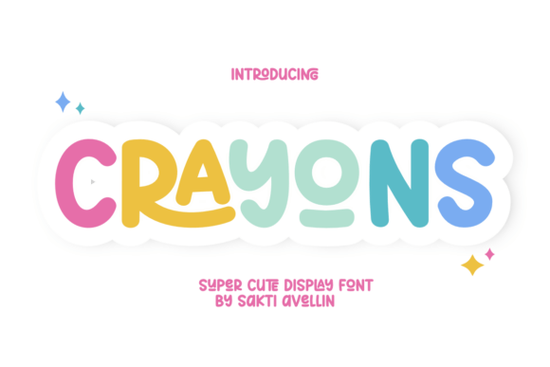
Starting a creative project often means needing the perfect touch to make an idea pop. Many designers find themselves looking for the Crayons Font when they want a soft, textured appearance. Unlike standard geometric typefaces, this option brings back childhood memories with its sketch-like quality. It feels warm and approachable, making it ideal for anything that needs to look personal rather than corporate.
The design itself captures the essence of a coloring session. The letters vary slightly in weight and thickness, just like real wax strokes on paper. This imperfection is intentional. It breaks the monotony of uniform sans-serif or serif styles, adding character without needing complex graphics. For print-on-demand sellers, this translates into merchandise that feels artisanal rather than mass-produced.
What kinds of projects suit this style?
This typeface shines brightest when applied to items that celebrate life’s small moments or childhood themes. Consider using it for greeting cards that require a handwritten feel. Birthday invites, nursery signs, and baby shower banners are natural fits. Because it resembles child handwriting, it bridges the gap between adult design skills and kid-friendly aesthetics.
Sell shops and Etsy listings benefit from this versatility. You can use the characters for tote bags featuring simple quotes. It works well on mugs, keychains, and even throw pillows. When selling physical goods, having a font that requires little explanation helps customers visualize the final product quickly. The rustic look complements wood tones and pastel backgrounds effectively.
- Mug Designs: Add cute quotes to coffee mugs for gifts.
- Party Decor: Create table numbers and banners for events.
- Apparel: Style t-shirts for young children or casual wear.
- Stationery: Design note cards or wedding invitations.
How does this compare to other textures?
Designers often wonder how this specific look compares to rougher or smoother alternatives. While this font has organic curves, it remains legible and clear. If you need a sharper edge, you might explore options found in the gemstone font display fonts category for a polished contrast. Sometimes, balancing the whimsical nature of crayon-style letters with cleaner geometric lines creates a pleasing layout.
On the other hand, if you want something gritty, the texture differs from the rougher edges of distressed font display fonts. Distressed styles often carry a grunge or industrial vibe, whereas crayons evoke innocence and creativity. Similarly, while the playful shape echoes the comic pop font display fonts aesthetic, it maintains a softer weight that feels less like a cartoon bubble.
For sports-related items, combining this style with the classic lettering seen in vintage varsity font display fonts can establish a strong brand identity. You could use the crispness of varsity letters for headlines and switch to this scribbled style for the body text or accents. This mix allows for visual hierarchy without losing the fun theme.
Is it easy to install and use?
Getting the files onto your computer is straightforward. Most packages include both OTF and TTF formats, ensuring compatibility across different software programs. Whether you use Canva, Adobe Illustrator, or Cricut Design Space, the vector paths usually scale without pixelation. However, always check the license agreement before uploading to marketplaces like Redbubble or Merch by Amazon.
You can download the full assets directly via the official Crayons listing to ensure you get the highest resolution versions. Having the original source file prevents blurriness when printing large-scale posters. Additionally, most kits come with special ligatures or alternate characters that allow for tighter spacing in words.
Tips for successful printing
To maintain the quality of the design during production, consider how the printer interprets the white spaces. Since the letters have varying thickness, ensure your line width isn't too thin. Fine details may disappear on textured fabrics or certain paper grades. Always test print a single sample before running a large batch order. If your design includes background colors, ensure high contrast between the ink and the substrate for maximum readability.
Using consistent weights in your layout is another key factor. Don't mix multiple distinct scripts unless necessary. Stick to a primary and secondary font pair to keep the message clear. Remember, the goal is communication through design, not just decoration.
Quick Usage Checklist
- Verify License: Check commercial rights for Print-on-Demand use.
- Test Spacing: Check letter spacing (kerning) before finalizing artwork.
- Select Background: Ensure the background color contrasts well with the ink.
- Format Conversion: Outline text or convert to paths before sending to a printer.
- File Type: Save final designs as PNG or PDF depending on platform requirements.
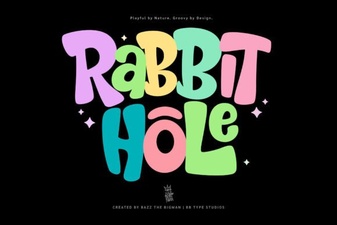 Rabbit Hole Font: a Typographic Exploration Guide
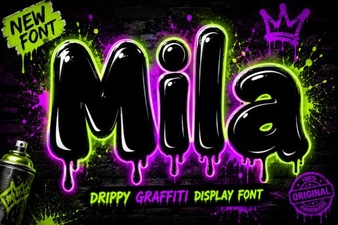 Unlock Creativity with Mila Font Designs
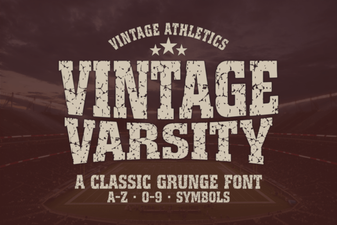 Harness Vintage Varsity Font Design
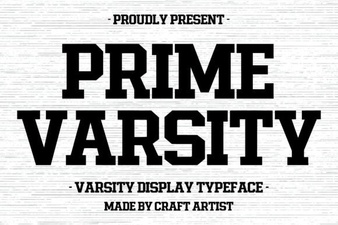 Prime Varsity Font: Modern Display Typeface for Projects
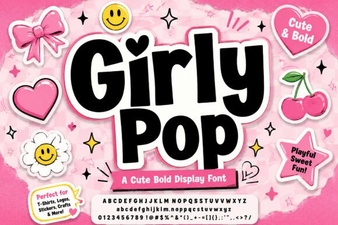 Girly Pop Fonts for Creative Projects
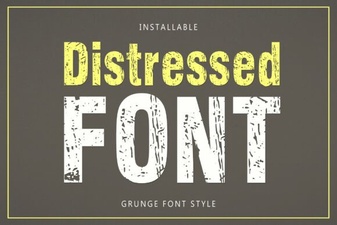 Creative Uses for Distressed Font Design