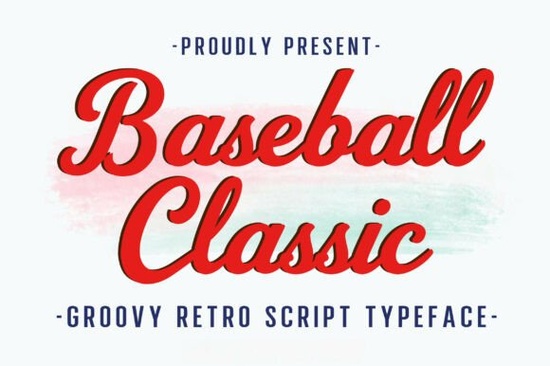
Vintage aesthetics continue to dominate the print-on-demand market, especially among buyers looking for authentic nostalgia. When creating merchandise that feels timeless yet energetic, typography plays a critical role in setting the mood. You often need a lettering style that balances readability with character. For anyone working on sports-themed apparel or casual branding, the Baseball Classic Font offers a distinct solution.
This particular asset brings a heavy, hand-painted vibe straight from mid-century athletic gear. Unlike standard sans-serif options, it has personality built into every curve. It captures that rough-and-ready texture associated with old stadium signs and leather jackets. Whether you are a pod seller launching a new collection or a designer building brand identity for a local cafe, having access to high-quality script files matters. This tool fits perfectly into workflows requiring instant impact.
What makes this retro style effective for modern projects?
The success of this font lies in its balance between structure and fluidity. Many retro scripts lean too far into decoration, making the letters hard to read at smaller sizes. This set maintains legibility while keeping the artistic flair. The thick downstrokes provide weight, ensuring the text stands out against busy backgrounds on items like tote bags or phone cases.
You can pair it with distressed textures or grunge overlays to enhance the vintage atmosphere. It works exceptionally well for team jerseys, gym wear, or summer festivals. The letters suggest strength and tradition, which resonates with audiences who appreciate heritage brands. Because it includes both uppercase and lowercase characters, you can mix it up for dynamic headlines or body text without switching families. Consistency is key when designing merchandise, and having a versatile family simplifies that process significantly.
If you enjoy this aesthetic but want to explore other rugged options, checking out styles like those found in the Daddy Font Script collection might be worth your time. Those fonts share a similar streetwear edge while offering different stroke widths. On the other hand, if you need something warmer for personal gifts or invitations, switching to a softer palette changes the entire perception. Designs featuring elements from the Heart Style Font Script category prove that script isn't limited to tough themes alone.
How do you apply this lettering in your layout workflow?
Getting the hierarchy right is essential when integrating unique letterforms into a composition. Since the script is bold, it demands attention, so avoid crowding it with too many competing graphical elements. Leave enough negative space around the letters to allow the curves to breathe. If you are creating a poster, place the text centrally and support it with minimal imagery, such as a ball graphic or a simple badge icon.
Try layering the font over textured paper backgrounds to mimic screen-printing effects. Software like Procreate or Adobe Illustrator handles vector paths well, allowing you to scale the design infinitely without losing quality. You can adjust tracking manually if the spacing feels tight between specific character pairs. Remember that kerning adjustments are necessary for scripts to prevent awkward overlaps that ruin the flow of words.
For designers looking to diversify their asset library beyond pure athletics, browsing categories like the Cherry Font Script reveals how different weights can alter your brand voice. Sometimes, a lighter touch helps soften an image meant for social media captions. Conversely, heavier variations serve better on large formats like banners or vehicle wraps. Understanding the nuances helps you select the right tool for the specific message you want to convey.
Sometimes, the goal is to evoke relaxation rather than competition. If your project leans toward beach themes or travel guides, you might prefer a font that suggests a vacation state. Searching for options similar to Coconut Bay Font Script can help you find scripts that feel breezier and less rigid. Mixing and matching styles across a single campaign requires planning, but sticking to one cohesive family ensures professional polish throughout the entire line.
When you have selected your typography, double-check that all punctuation marks are available in the download. Basic sentences require exclamation points, commas, and periods that match the weight of your letters. Some older fonts lack these symbols, forcing you to substitute them with generic options that break the immersion. A complete package includes all necessary glyphs, saving you time during the final export phase. Before purchasing, you can view sample sheets to verify that the numbers and symbols align with your expectations.
It is helpful to test the font in black and white before adding colors. Grayscale rendering reveals whether the shapes hold together well without relying on color theory. Once you are satisfied with the monochromatic version, applying gradients or spot colors becomes a simpler decision. This method prevents wasting hours adjusting hues on poorly constructed letterforms.
- Verify Character Set: Ensure the download includes all lowercase letters, numbers, and punctuation.
- Test Scalability: Resize the design to see if details blur or remain crisp.
- Check File Formats: Confirm you receive TTF or OTF files compatible with your software.
- Preview Usage: Upload mockups to see how the text interacts with fabric textures.
- Read License Terms: Review commercial rights to ensure you can sell finished products.
- Compare Alternatives: Look at similar script collections for backup options.
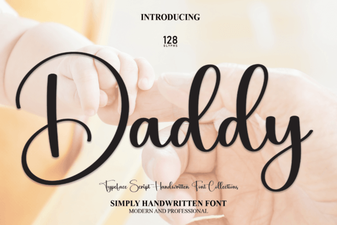 The Daddy Font Family for Creative Design Projects
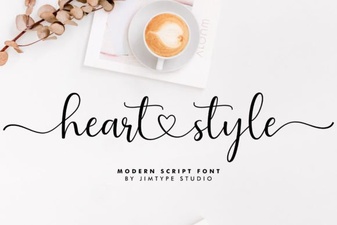 Heart Font Design Styles & Projects
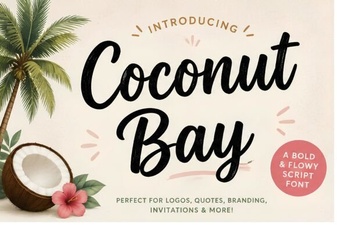 Coconut Bay Font for Coastal Designs & Projects
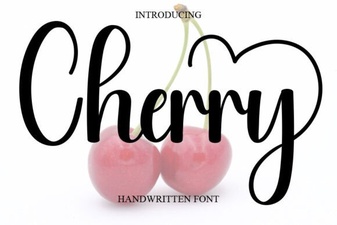 Cherry Font: Creative Uses for Digital Projects
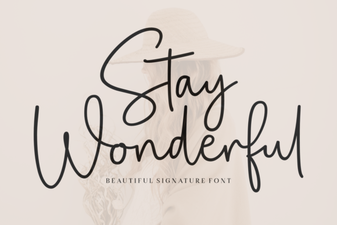 Stay Wonderful Font: Free Download & Design Guide
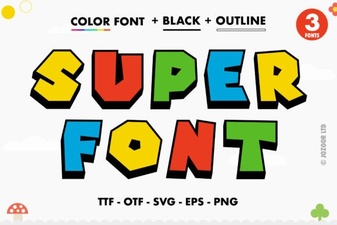 Crafting with Super Fonts: Design Projects & Ideas