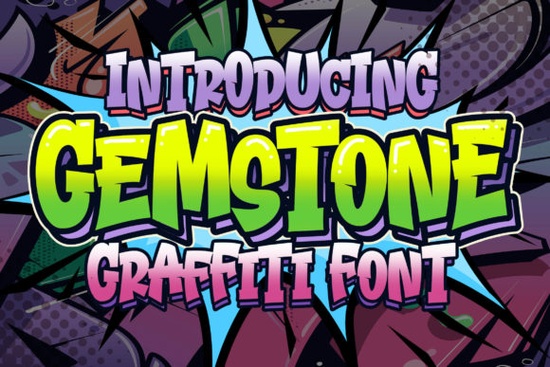
If you are looking to add character to your t-shirt mockups or social media graphics, the Gemstone Font offers a distinct edge. It serves as an urban styled outlined display font that stands out without relying on heavy fill colors. Designers often appreciate how this weight class allows for versatility; it looks strong yet remains breathable enough for smaller prints. You might find yourself drawn to its clean lines when working on casual apparel or logo concepts. Before diving into the design process, it is wise to verify the license terms, especially if you intend to sell physical goods online.
Why Choose an Outlined Display Style?
Outlined fonts behave differently than solid black text. Because the strokes are defined by borders rather than filled shapes, you have more freedom to apply gradients or pattern fills inside the letters later. This feature is particularly useful for sublimation printing where color changes are common. It gives your brand a modern, edgy vibe without looking cluttered. If your design feels too rigid, adding some wavy lettering styles like those found in Wiggle Whistle can provide a fun counterbalance to the stability of this font.
Sometimes, the goal isn't just to stand out but to match a specific aesthetic era. While Gemstone leans toward a contemporary feel, other resources cater to different vibes. If you are interested in a slightly softer, more geometric shape, checking out Mila Font can broaden your palette. These choices allow you to maintain a consistent theme across your store while keeping individual products fresh.
Tips for Print on Demand Sellers
When selling custom merchandise, technical preparation matters as much as creativity. Most cutting machines and heat press workflows prefer scalable vector formats. Ensure you download the version compatible with your software, such as Silhouette Studio or Adobe Illustrator. One major advantage of the outlined style is that it does not create tiny bridges of unconnected pixels when resized down to inches. This helps prevent weeding errors during vinyl application.
- Always test the font size at full scale before finalizing artwork.
- Keep in mind that thin strokes may disappear on textured fabrics.
- Combine the font with simple icons to highlight key phrases.
- Review the commercial license included with your purchase.
Sellers focusing on athletic brands often need something structured. While the outlined look works well for streetwear, a classic athletic look requires a solid block style. In those instances, exploring Prime Varsity is a smart move for maintaining readability at high speeds. Conversely, if your niche targets older demographics, a retro sport design might resonate better. You can achieve that nostalgic warmth with fonts like Vintage Varsity.
Pairing Textures and Backgrounds
The background color plays a significant role in how the font renders on screen and paper. Black text on white is stark, but colored backgrounds change everything. With this specific design, dark backgrounds often make the white outlines pop effectively. For lighter themes, consider filling the characters with pastel hues to soften the appearance. Hobbyists creating greeting cards might prefer something even more delicate. When the project calls for Girly Pop aesthetics, this heavier urban tone might clash, so choosing a complementary soft option is often necessary.
Evaluating File Options
Digital assets vary depending on your workflow needs. Some designers require open paths for editing, while others just need quick insertion tools. The Gemstone Font collection typically provides the essential vectors needed for most commercial projects. Having access to both outline and filled versions ensures you can adapt quickly if a client requests a revision. Keeping your library organized prevents last-minute scrambling when deadlines approach.
Consistency is key for brand identity. If you launch a clothing line, using one primary font family helps customers recognize your products. Mixing too many disparate styles can confuse your audience. Stick to the mood set by the initial choice. Once you commit to this urban style, build your other elements icons, images, and colors to support the main typography. This strategy creates a professional cohesion that buyers notice immediately.
Quick Checklist for Finalizing Your Design
- Check Resolution: Ensure your output is set to 300 DPI for print materials.
- Verify License: Confirm whether resale of the font itself is allowed.
- Test on Material: Cut a sample on the intended fabric to check stroke width.
- Backup Files: Save both the editable source and flattened export.
- Compare Alternatives: Look at Wiggle Whistle if the straight lines feel too stiff.
Starting with a clear plan saves time and reduces frustration. By selecting the right asset early, you streamline the entire creation process. Whether you are making a single gift or launching a full catalog, quality typography sets the foundation for everything else. Take the time to experiment with different weights and sizes before committing to production runs.
Learn More Rabbit Hole Font: a Typographic Exploration Guide
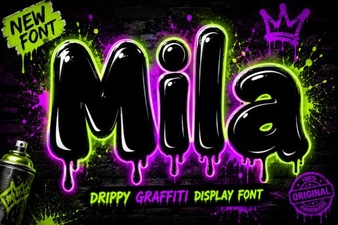 Unlock Creativity with Mila Font Designs
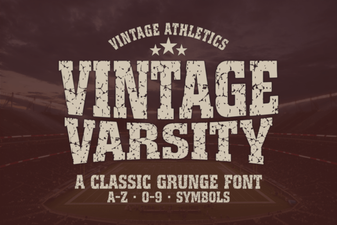 Harness Vintage Varsity Font Design
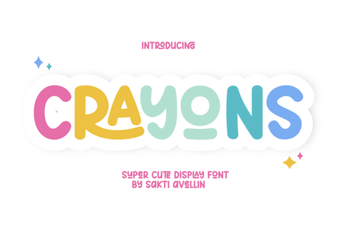 A Free & Fun Crayon Font for Creative Projects
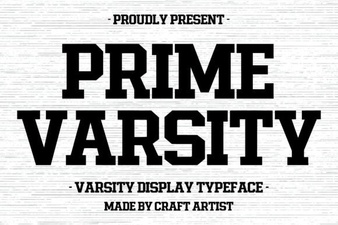 Prime Varsity Font: Modern Display Typeface for Projects
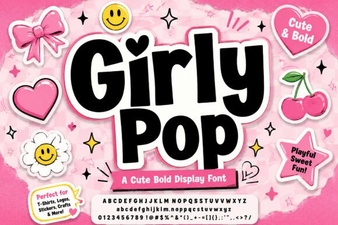 Girly Pop Fonts for Creative Projects