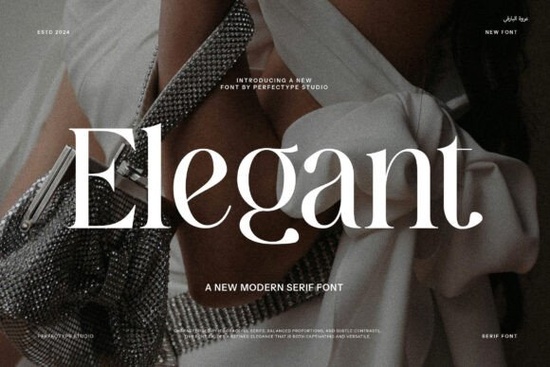
If you are creating branding materials, crafting handmade cards, or designing print-on-demand products, choosing the right typography makes all the difference. An Elegant Font is specifically designed to convey sophistication through smooth strokes and refined character shapes. Unlike bold, heavy typefaces that demand attention immediately, these characters invite the viewer to slow down and appreciate the detail.
This style typically features thin lines connected by graceful curves, creating a sense of movement and fluidity. It works exceptionally well for luxury brands, wedding invitations, beauty product labels, and boutique logos. The goal isn't to scream, but to whisper quality.
Why Visual Refinement Matters in Your Projects
When customers encounter a logo or a piece of merchandise, their eyes process the visual hierarchy instantly. A typeface with inconsistent spacing or jagged edges can subconsciously signal low quality, even if the product itself is excellent. Conversely, consistent letterforms with balanced white space project professionalism.
Designers often struggle to find fonts that balance readability with style. Too thin, and the text disappears on darker backgrounds. Too thick, and it loses its airy, light appearance. The right choice ensures that your message remains legible while maintaining a high-end aesthetic. This balance is particularly important for small businesses looking to compete with established players without overspending on custom illustration services.
Best Uses for Sophisticated Type Styles
Beyond standard branding, this specific weight and style open up several practical applications for makers. You can easily incorporate it into monogrammed stationery, gold foil transfer files, and laser-engraved wood signs. Because the stroke contrast is often moderate, it scales well from large banners down to tiny tags stitched onto fabric.
- Wedding Stationery: Create place cards, programs, and save-the-dates that feel timeless.
- Social Media Graphics: Overlay text on images for Instagram stories or Pinterest pins that stand out from cluttered feeds.
- Apparel Printing: Subtle embroidery or heat press designs benefit from clean lines that won't crack easily over time.
For crafters working with cutting machines like Cricut or Silhouette, vector compatibility is key. Most professional type families come in OpenType (.otf) and TrueType (.ttf) formats, ensuring that software can parse the paths correctly. This allows for precise cuts without gaps or errors in the cut path.
Finding Complementary Variations
While a single style might work for a primary headline, pairing it with supporting text adds depth to your layout. If you prefer a structured base, exploring various serif options can provide consistency across your brand materials. Mixing a delicate script with a clean sans-serif body copy often creates the most effective contrast, guiding the eye from the header to the main message.
You should always verify the license before downloading any asset intended for commercial resale. Some subscriptions cover unlimited projects, while others require a separate purchase for physical goods. Reading the terms ensures you stay compliant and protects your business from future complications.
Searching for specific nuances helps you narrow down choices quickly. For example, if you want a mix of cursive and block elements, checking a resource like GracefulScript can point you toward bundles that offer multiple weights. This saves time during the prototyping phase and allows you to test different combinations without committing to a single file too early.
Troubleshooting Common Design Issues
Sometimes, a font that looks beautiful on a screen may appear too light when printed on certain materials. Always preview your text in black and white mode to check contrast levels. Additionally, kerning pairs may need adjustment depending on the software you are using. Tightening spaces between "A" and "V" prevents awkward gaps that can break the illusion of a unified word.
File corruption can also happen if you do not extract zip folders properly. Ensure you use a standard archive utility and check that all glyph sets are intact before moving files into your design software. This prevents missing characters or unexpected substitutions when sending files to a production house.
Project Readiness Checklist
- [ ] Verify the file extension matches your design software requirements.
- [ ] Test the text size at 100% scale on both desktop and mobile viewports.
- [ ] Confirm the license covers the specific product you plan to sell.
- [ ] Embed fonts when exporting PDFs or send outlines if submitting to a printer.
- [ ] Keep a backup folder for source files in case you need to revisit edits later.
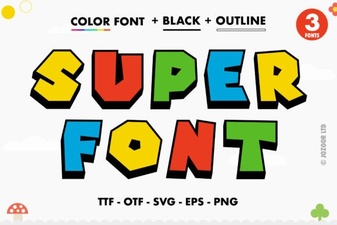 Crafting with Super Fonts: Design Projects & Ideas
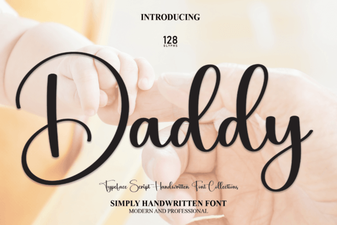 The Daddy Font Family for Creative Design Projects
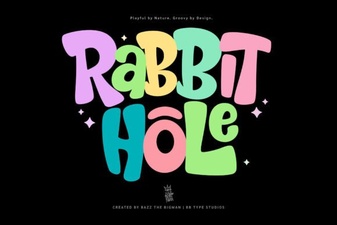 Rabbit Hole Font: a Typographic Exploration Guide
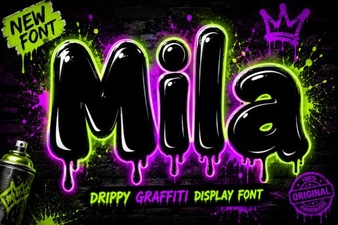 Unlock Creativity with Mila Font Designs
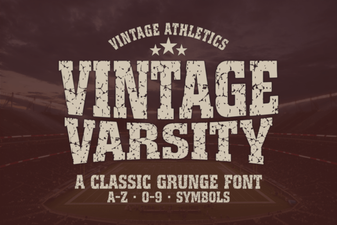 Harness Vintage Varsity Font Design
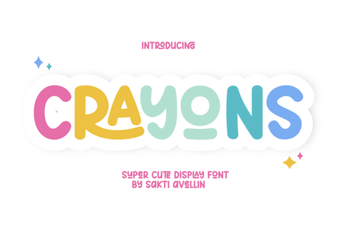 A Free & Fun Crayon Font for Creative Projects