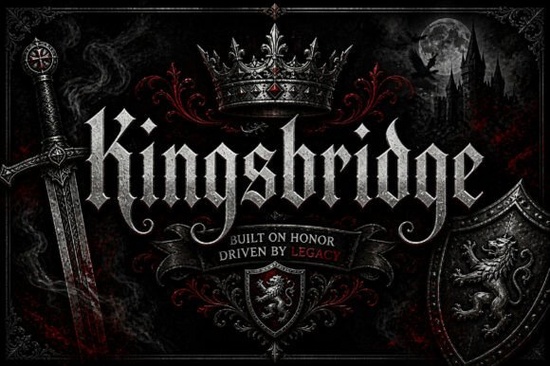
When you need a logo that commands respect without trying too hard, the lettering style matters most. For projects requiring a mix of old-world charm and modern edge, the Kingsbridge Font stands out among many choices. It offers a refined take on blackletter display characters, blending sharp gothic forms with contemporary spacing. Unlike standard serif or sans-serif typefaces, this specific style brings immediate visual weight to headlines and packaging. Designers often reach for this tool when they want to communicate tradition, strength, or exclusivity instantly.
What gives this typeface its character?
The essence of a good display font lies in its stroke contrast and terminal shapes. Kingsbridge features dramatic thick and thin transitions that catch the light differently depending on the background color. The letterforms themselves are rooted in medieval manuscript traditions, yet the weights are adjusted so they remain legible even at smaller sizes. You will notice the elegant swash details on capital letters, which add a touch of personality without becoming unreadable clutter. This balance allows it to work effectively on both large-scale posters and small garment tags.
Where does this design fit your projects?
Identifying the right application is often harder than choosing the file itself. Because blackletter scripts carry historical weight, they demand specific contexts to avoid looking dated or overly harsh. Here are several scenarios where this typeface delivers strong results:
- Logo Design: Ideal for breweries, tattoo studios, or heritage brands needing a rugged identity.
- Album Covers: Works well for rock, metal, or folk music genres that value artistic expression over minimalism.
- Packaging: Great for premium food labels, whiskey boxes, or artisanal soap wrappers where elegance sells the product.
- Event Graphics: Perfect for gala invitations or vintage-style concert flyers that rely on atmosphere.
- Merchandise: Fits well on t-shirts, mugs, and tote bags for clothing lines focusing on retro aesthetics.
While working with this script, you might encounter issues with kerning if you select the wrong version. It is always wise to review the included OpenType features before starting your final export. Some versions allow for stylistic alternates that swap out certain glyphs for better flow in connected words. If you browse through similar heavy textures, you might find a wider set of options at more specialized blackletter selections designed for consistent pairings.
How do I choose the right version?
File variety determines versatility. Most high-quality font releases come with multiple weights, such as regular, italic, and condensed variations. Having these options ensures you can adjust hierarchy within a layout. For instance, a heavy weight creates a powerful headline, while a lighter weight might serve as a subheading or caption. Check the download package to confirm support for Unicode characters if you plan to mix languages.
Safety and legality are equally important for commercial use. Before purchasing or downloading assets intended for resale items like Print-on-Demand products, verify the licensing terms. Each creator sets their own rules regarding how many end-user copies can be made. Find the full license details for Kingsbridge directly within the platform listing to ensure compliance. Regarding font usage rights in broader scenarios, checking a standard resource like this overview on font licensing helps clarify common restrictions for digital files.
Tips for pairing with other elements
A complex font like this requires simpler companions to maintain balance. Using a busy background image or decorative pattern behind the letters will hide the intricate details of the glyphs. Stick to solid colors or very subtle gradients behind the main text block. For secondary information, a clean geometric sans-serif works best to provide contrast. The goal is clarity; the decorative aspect should frame the message, not confuse it.
If you are printing physical materials, consider how ink coverage affects visibility. Blackletter styles often have tight spaces between strokes. On cheaper paper stock, white space might fill in with ink bleed, making letters appear as solid blocks. Always request a proof sample when running bulk orders. Digital screens render sharp edges easily, so this is less of a concern for web headers or social media thumbnails.
Final Checklist for Your Project
Before committing to a campaign, run through this quick verification list to avoid common mistakes:
- Licensing Check: Confirm the Commercial License covers your specific use case (print, digital, merchandise).
- Readability Test: View the text at the smallest size it will appear in your design.
- Contrast Ratio: Ensure sufficient difference between the text color and background.
- Spelling Verification: Proofread carefully, as unique letters in blackletter can sometimes mimic incorrect spellings.
- File Format: Save your vector files (PDF or SVG) for crisp scaling across all mediums.
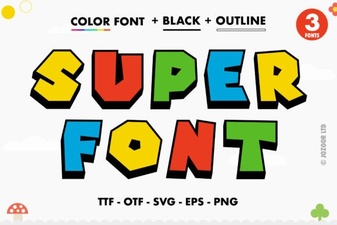 Crafting with Super Fonts: Design Projects & Ideas
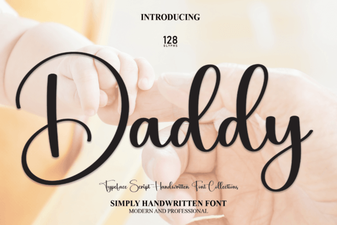 The Daddy Font Family for Creative Design Projects
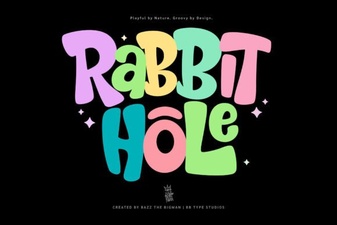 Rabbit Hole Font: a Typographic Exploration Guide
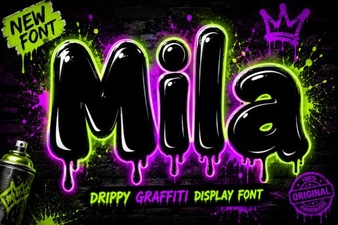 Unlock Creativity with Mila Font Designs
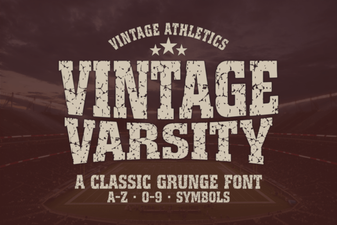 Harness Vintage Varsity Font Design
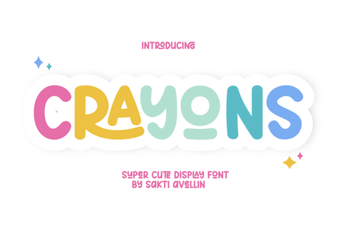 A Free & Fun Crayon Font for Creative Projects